
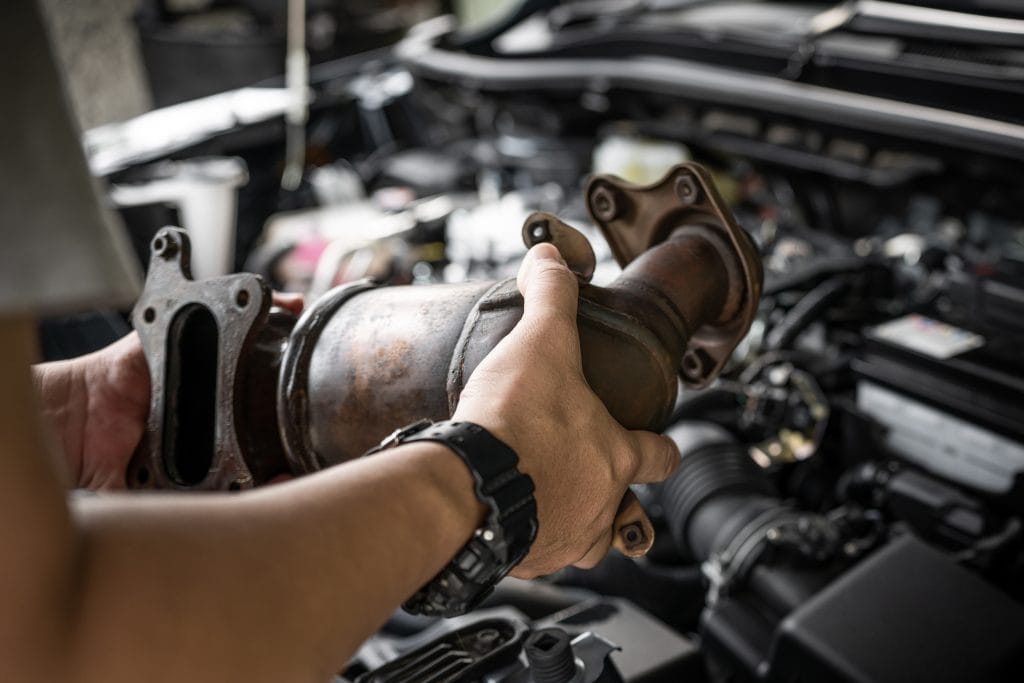
Experiencing an engine stall in the middle of traffic can be frustrating and even dangerous. Many drivers ask why their car engine stalls in heavy traffic, especially when the vehicle suddenly shuts off while idling or moving slowly. Stalling can occur for several reasons related to the fuel system, ignition system, airflow, or engine sensors.
When your vehicle is stuck in stop-and-go traffic, the engine operates under different conditions compared to highway driving. The engine may idle for longer periods, operate at higher temperatures, and rely heavily on sensors and fuel delivery systems. If one of these components is not functioning properly, the engine may stall.
Understanding the possible causes can help drivers recognize warning signs early and prevent unexpected breakdowns.
What Happens When an Engine Stalls?
Your vehicle’s engine needs three essential elements to run properly: fuel, air, and spark. When any of these elements are interrupted, the engine may stop running.
Modern vehicles also rely on sensors and electronic systems to regulate fuel injection, airflow, and ignition timing. If one of these systems fails or sends incorrect information, the engine may stall unexpectedly.
Drivers may notice the engine losing power before it shuts off completely.
Common Reasons Your Car Engine Stalls in Heavy Traffic
Idle Air Control Valve Problems
The idle air control valve helps regulate airflow when the engine is idling. When your vehicle is stuck in traffic, the engine spends more time running at idle speed.
If the valve becomes dirty or fails, the engine may not receive enough air to maintain stable idle speed. This can cause the engine to stall when the vehicle slows down or stops.
Drivers may notice rough idling before the engine stalls.
Fuel Delivery Issues
The engine requires a consistent flow of fuel to maintain combustion. If the fuel pump begins to fail or the fuel filter becomes clogged, the engine may not receive enough fuel.
In heavy traffic conditions where the engine repeatedly accelerates and idles, a weak fuel pump may struggle to keep up with demand.
Drivers may experience hesitation, reduced acceleration, or sudden engine shutdown.
Overheating Engine
Heavy traffic often causes engines to run hotter because airflow through the radiator is reduced when vehicles move slowly.
If the cooling system is not functioning properly, engine temperatures may rise quickly. An overheating engine can stall to prevent further damage.
Drivers may notice the temperature gauge rising before the engine shuts off.
Faulty Sensors
Modern vehicles rely on several sensors to monitor engine performance. Sensors such as the crankshaft position sensor or mass airflow sensor help regulate fuel delivery and ignition timing.
If a sensor fails, the engine control module may receive incorrect information and cause the engine to stall.
Sensor failures may also trigger dashboard warning lights.
Weak Battery or Electrical Issues
Electrical system problems can also cause engine stalling. If the battery is weak or the alternator is failing, the vehicle may lose power to critical engine components.
In heavy traffic where the vehicle frequently stops and starts, electrical issues can become more noticeable.
Drivers may notice dim lights or dashboard warnings before the engine stalls.
Warning Signs Before an Engine Stall
Drivers often notice symptoms before the engine stalls completely.
Common warning signs include:
• Rough idling while stopped
• Sudden loss of engine power
• Engine hesitation during acceleration
• Dashboard warning lights appearing
• Difficulty restarting the engine
Recognizing these symptoms can help drivers address the issue before it worsens.
Why Engine Stalling Should Not Be Ignored
Engine stalling while driving can create dangerous situations, particularly in busy traffic areas. In addition to safety concerns, stalling may indicate mechanical problems that could lead to more serious damage if ignored.
Addressing the issue early helps maintain reliable vehicle performance and prevent costly repairs.
For drivers in Miami, where heavy traffic is common, ensuring the engine runs smoothly during stop-and-go driving is especially important.
How Mobile Mechanics Diagnose Engine Stalling
Mobile mechanics can diagnose engine stalling issues directly at your location. This allows technicians to inspect the vehicle without requiring you to drive to a repair shop.
During inspection, technicians may scan the vehicle’s diagnostic system, inspect fuel delivery components, evaluate ignition system parts, and test engine sensors.
These diagnostic steps help determine the exact cause of the stalling issue.
Benefits of Mobile Mechanic Services in Miami
Mobile mechanic services allow drivers to receive professional vehicle diagnostics at their home, workplace, or any convenient location.
For drivers experiencing engine stalling problems, scheduling service with Mobile Mechanic Pros of Miami provides a convenient way to identify the issue and restore reliable vehicle performance.
This approach helps drivers address vehicle problems without interrupting their daily routine.
If your car engine stalls in heavy traffic, the cause may involve fuel delivery problems, idle air control valve issues, overheating, sensor failures, or electrical system problems. Because the engine depends on several systems working together, identifying the issue early can help prevent unexpected breakdowns.
Professional diagnostics can determine the cause and restore reliable engine performance.
Need Engine Diagnostics in Miami?
If your vehicle stalls during heavy traffic, professional inspection can help identify the problem quickly.
Mobile Mechanic Pros of Miami provides convenient on-site vehicle diagnostics and repair services throughout the Miami area.
Schedule service today to restore reliable engine performance and safe driving conditions.