
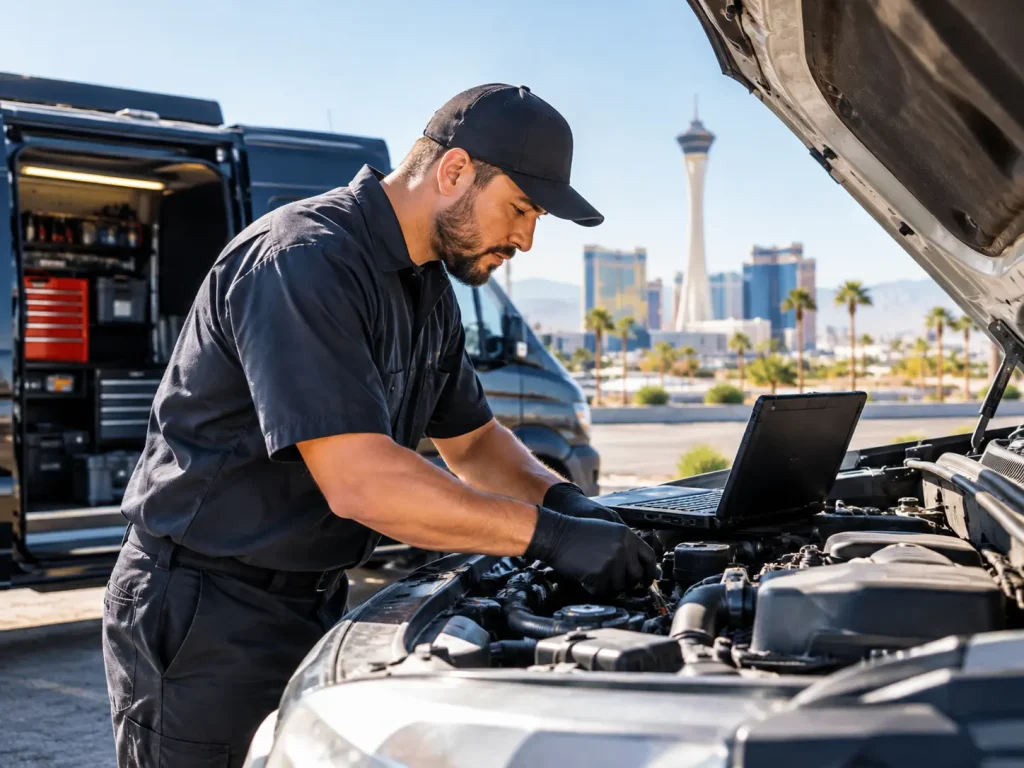
In South Florida, hurricane season is a fact of life. When a storm is on the way, the to do list gets long fast: shutters, supplies, medications, documents, and a plan for the family. Your car belongs on that list too. It may be your way out if you need to evacuate, your link to supplies and help afterward, and one of the most expensive things you own. A little preparation before the season peaks, and a clear plan when a storm approaches, can protect your vehicle and make a stressful time easier. This guide gives you a practical hurricane car checklist for Miami drivers, covering what to do before the season, when a storm is coming, and after it passes, along with how a mobile mechanic can help with storm car prep.
Why Your Car Needs a Storm Plan
Storms bring wind, heavy rain, flooding, falling branches, flying debris, and long power outages. Gas stations can run low or lose power, roads can close, and repair shops may be overwhelmed. If your car has a weak battery, worn tires, or a leaking cooling system, a storm is the worst time to find out. Preparing early means you can handle those problems on your own schedule, before everyone else is trying to do the same thing at the last minute.
Before the Season: Get the Car in Shape
The best time to prepare is early in the season, when shops and parts are not under pressure. Make these checks part of your routine:
- Test the battery and the charging system, since heat and humidity wear batteries down
- Check tire pressure and tread, and make sure the spare, jack, and lug wrench are in the car
- Inspect the brakes, and have any squealing, grinding, or soft pedal looked at
- Check the engine oil, coolant, brake fluid, and washer fluid
- Look at belts and hoses for cracks, fraying, or leaks
- Replace worn wiper blades, since heavy rain demands a clear windshield
- Make sure all lights work, including headlights, brake lights, and turn signals
- Test the air conditioning, since you may be spending a lot of time in the car in hot weather
If you are not sure where your car stands, an inspection is a good place to start. Our guide on hurricane season prep and getting your car ready in Miami covers the early preparation steps in more detail, and this checklist builds on it with what to do as a storm approaches and afterward.
Build a Car Emergency Kit
Keep a kit in the car through the whole season. It does not need to be fancy, but it should cover the basics:
- Drinking water and non perishable snacks
- A flashlight with extra batteries
- A phone charger or power bank, and a car charger
- Jumper cables or a portable jump starter
- A basic first aid kit
- A tire pressure gauge and a small tool kit
- A paper map or printed directions, in case phone service is down
- Copies of important documents, such as registration and insurance
- A rain poncho, a blanket, and sun protection
- Cash, since card readers may not work during outages
When a Storm Is Approaching: Fuel and Supplies
Once a storm is in the forecast, lines at gas stations get long and supplies run low. Fill the tank early and keep it above half full for the rest of the storm period, even if you do not plan to leave. A full tank gives you options if you need to evacuate, and it lets you charge a phone in the car if the power goes out. Take care when running a car for any reason, and never run an engine in a closed garage, because exhaust fumes are dangerous. Follow guidance from local officials and your owner’s manual, and keep a close eye on official evacuation notices.
Where to Park During a Storm
Parking is one of the most important decisions you can make for your car. Consider these points:
- Avoid low lying areas, known flood zones, and spots near canals or drainage
- If you can, park on higher ground or on an upper level of a parking structure, if it is allowed and safe
- Stay away from large trees, power lines, and anything that could fall on the car
- A garage can protect against wind and debris, but make sure it is not in a flood prone area
- Do not block roads, drains, or access for emergency vehicles
- Pull in side mirrors and fold down the antenna if it is removable
Check with your insurance provider about the coverage you have, and take clear photos of the car from every angle, inside and out, before the storm. Those photos can make a claim much easier later.
If You Need to Evacuate
If officials ask you to leave, do it early, before traffic builds. Before you set out:
- Fill the tank, and check the tires and fluids
- Plan your route and a backup route, and tell someone where you are going
- Pack the emergency kit, water, snacks, medications, documents, and chargers
- Expect heavy traffic, which means a lot of stop and go driving, so watch the temperature gauge and the brakes
- Take breaks, and keep the tank from running low
Long stretches in slow traffic stress the cooling system and the battery. If your car starts to overheat, pull over safely and let it cool, and never open the radiator cap on a hot engine.
Protecting the Battery and Electrical System
A weak battery is one of the most common causes of trouble in humid, hot weather. If the car has been sitting for days during a storm, the battery may drain, and power outages may leave you without a way to jump start it at home. Keep a portable jump starter in the car, and make sure terminals are clean and tight. If your car does not start after a storm, our guide to the top 10 reasons your car won’t start and how to get back on the road explains the common causes and what to try first.
After the Storm: Be Careful With Flooded Cars
This is the part many drivers get wrong. If your car has been in floodwater, treat it with caution:
- Do not drive through standing water, since even shallow water can stall an engine or hide road damage
- If water has reached the inside of the car or the engine bay, do not try to start it, since that can cause serious damage
- Avoid attempting electrical repairs yourself, and consider having the car towed for inspection
- Take photos of the water line and any damage, and contact your insurance provider
- Be alert to signs of hidden problems, such as a musty smell, water in the lights, corroded electrical connectors, or fluids that look milky
- Remember that saltwater is especially harsh, because it can corrode electrical parts and metal quickly
Flood damage can show up weeks later, in the form of electrical trouble, rust, and mold. A thorough inspection by a technician is a smart step, even if the car seems to run fine.
After the Storm: Check for Wind and Debris Damage
Even without flooding, a storm can leave its mark. Walk around the car and look for dents, cracked glass, damaged lights, loose trim, and debris lodged in the wheel wells or under the car. Check the tires for punctures from nails, glass, or other debris, and check the underside for fluid leaks. If a tree limb or other object hit the car, a technician should inspect the suspension and the underbody for hidden damage. Listen for new noises, and watch for warning lights on the dash.
A Quick Hurricane Car Checklist
- Battery tested, with clean and tight terminals
- Tires at the correct pressure, with a usable spare and tools
- Brakes, fluids, belts, and hoses checked
- Wipers and lights in good working order
- Tank filled early and kept above half
- Emergency kit stocked, with cash, chargers, and documents
- Photos of the car taken, and insurance information handy
- Parking spot chosen away from flooding, trees, and power lines
- Evacuation route planned, with a backup
- Plan to inspect the car for flood or debris damage afterward
Can a Mobile Mechanic Help With Storm Prep?
In many cases, yes. A mobile mechanic can come to your home or workplace in the Miami area, test the battery and charging system, inspect the tires, brakes, belts, hoses, and fluids, and handle many common repairs on site, such as battery replacement or brake work. After a storm, a technician can also inspect a car that has been exposed to water or debris, and tell you honestly what they find. Some situations, such as significant flood damage or major electrical repair, may need a full shop, and a trustworthy technician will say so. During busy periods, availability can be tight, which is one more reason to book early. When you book, share your vehicle’s year, make, model, and mileage, and describe anything you have noticed.
Prepare Now, Not When the Storm Is on the Radar
Hurricane preparation works best when it is done calmly and early. A battery test, a tire check, and a full kit can make a big difference, and knowing what to do after a storm can protect both your safety and your car. If you have not had your car looked at this season, now is a good time.
To learn more about our services, visit our homepage. If you would like your car checked before the next storm, reach out through our contact us page and we will come to you anywhere in the Miami area.